Professor Pip's Mammoth Miracle: An Arctic Adventure
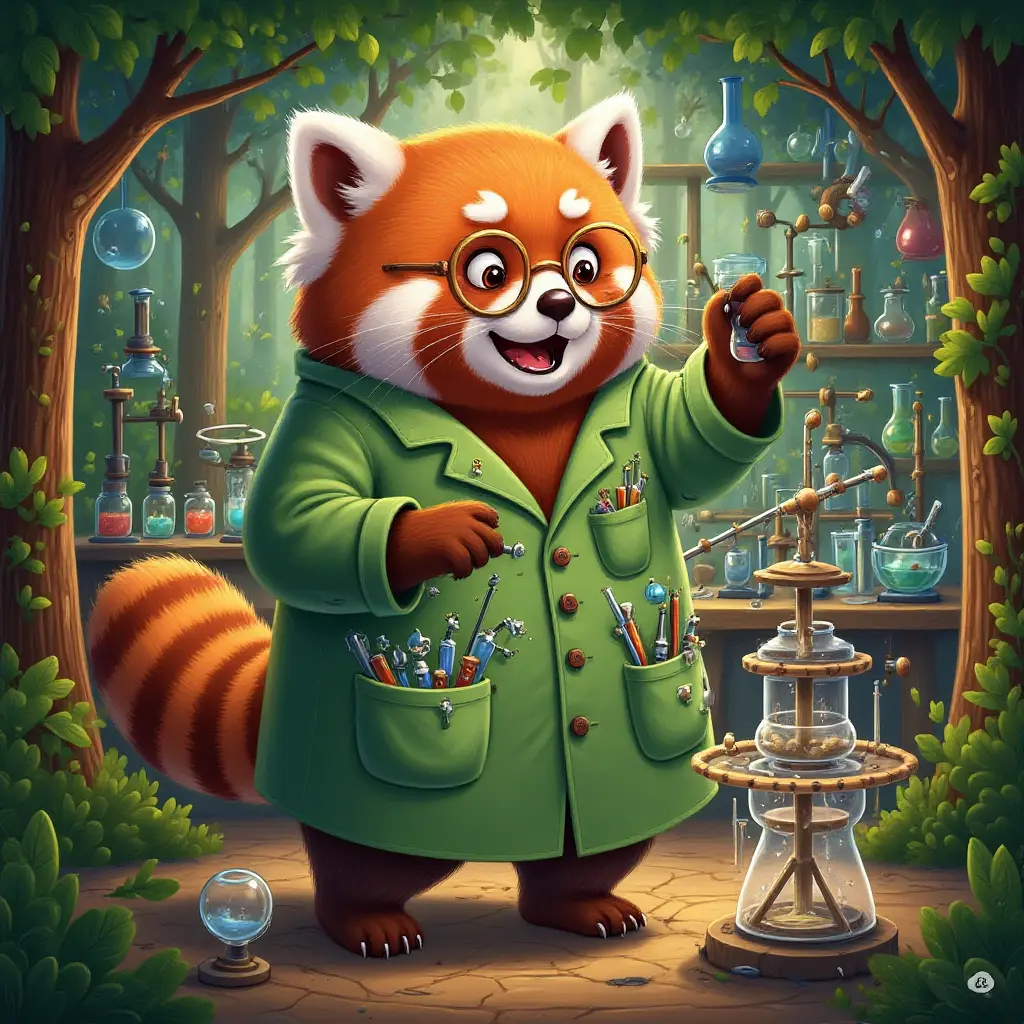
In a cozy corner of the Great Green Forest, Professor Pip, the red panda, was bustling around his lab. His forest-green lab coat flapped about as he moved from one scientific gadget to another, adjusting his crooked spectacles with a paw.
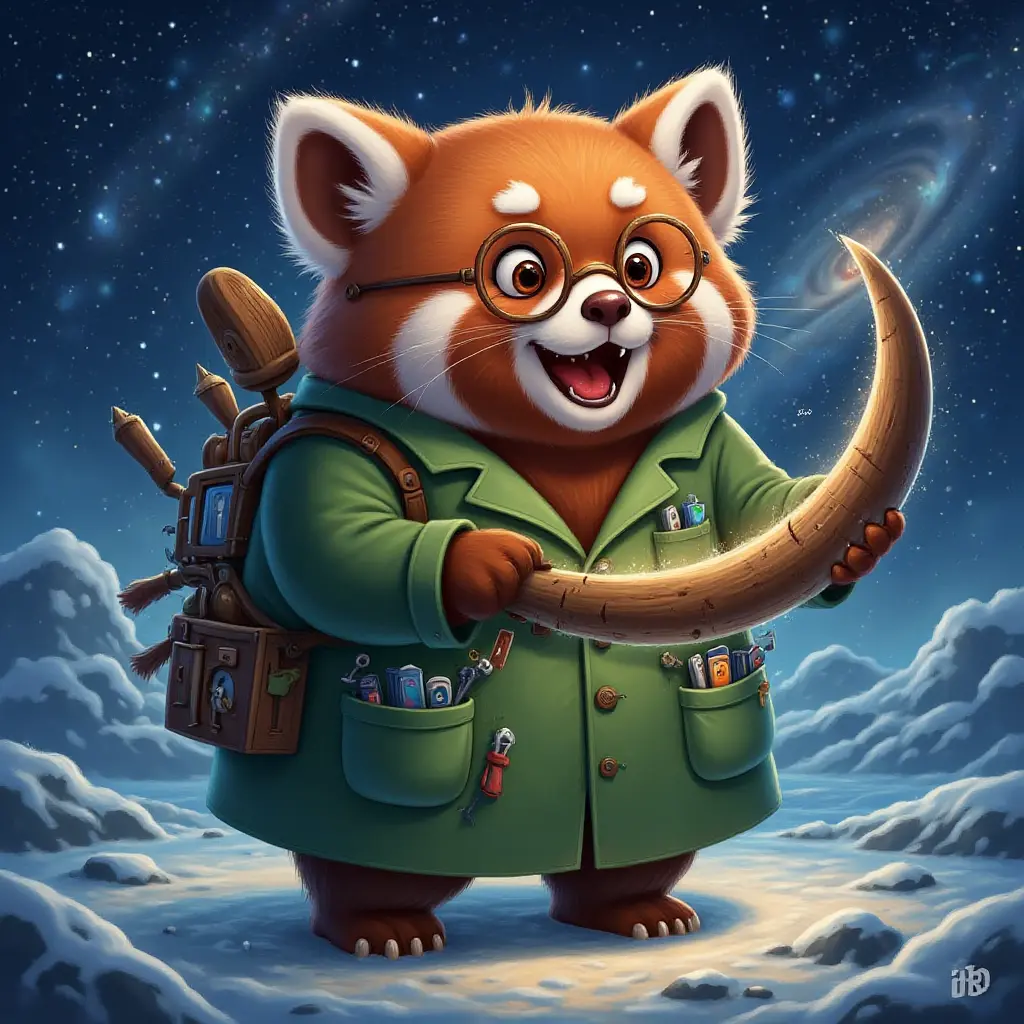
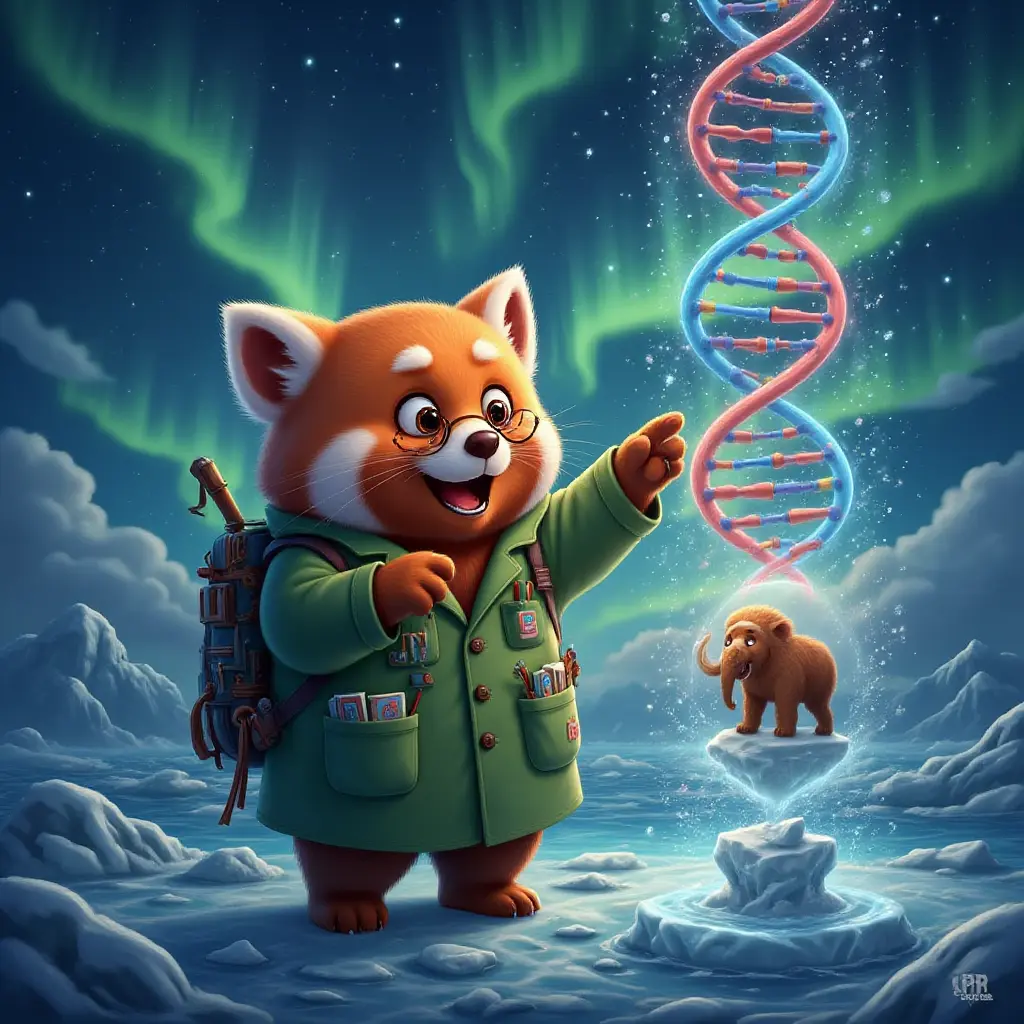
Today was an exciting day! Professor Pip was planning an Arctic adventure. He had read about woolly mammoths and dreamed of seeing them roam the Arctic tundra once again.
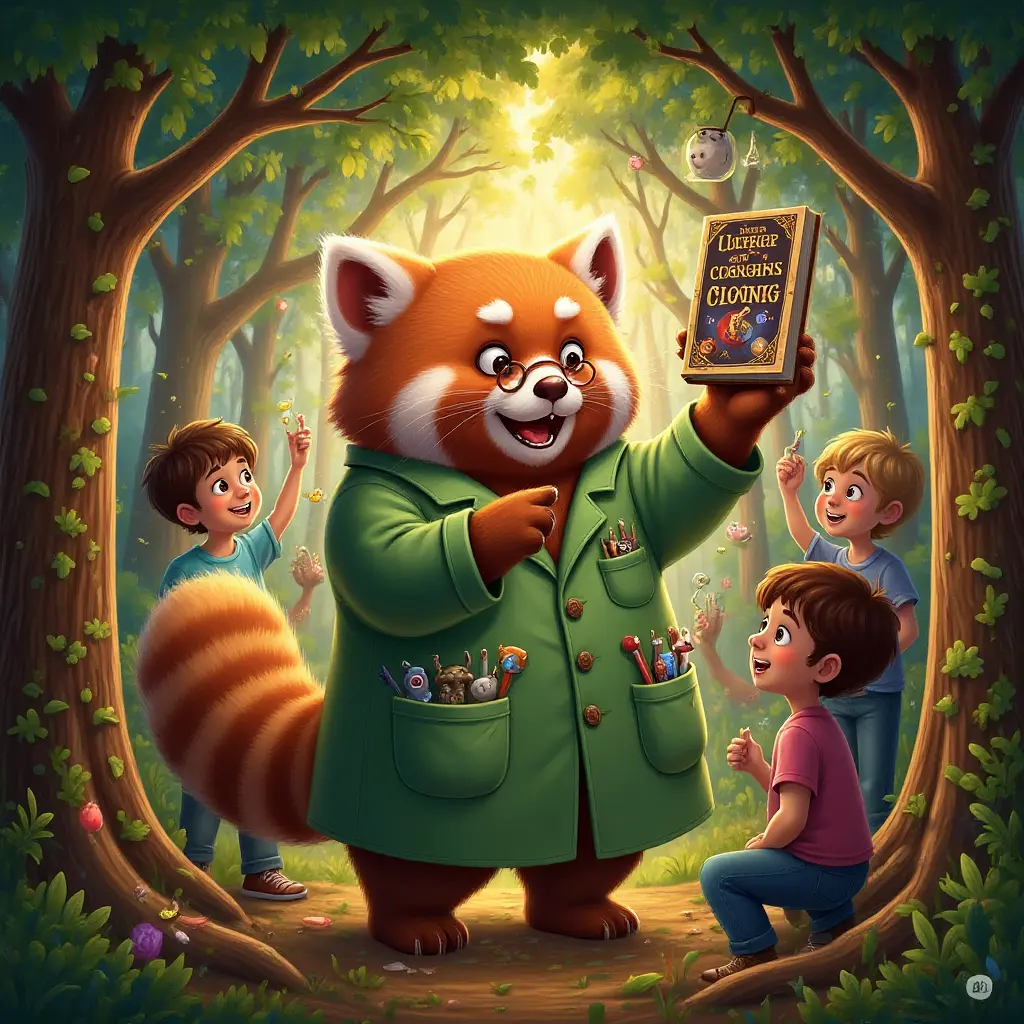
Before setting off, Professor Pip gathered his friends around a large, old oak tree. "We're going to learn about cloning," he chirped cheerfully, pulling a dusty book from his coat pocket.
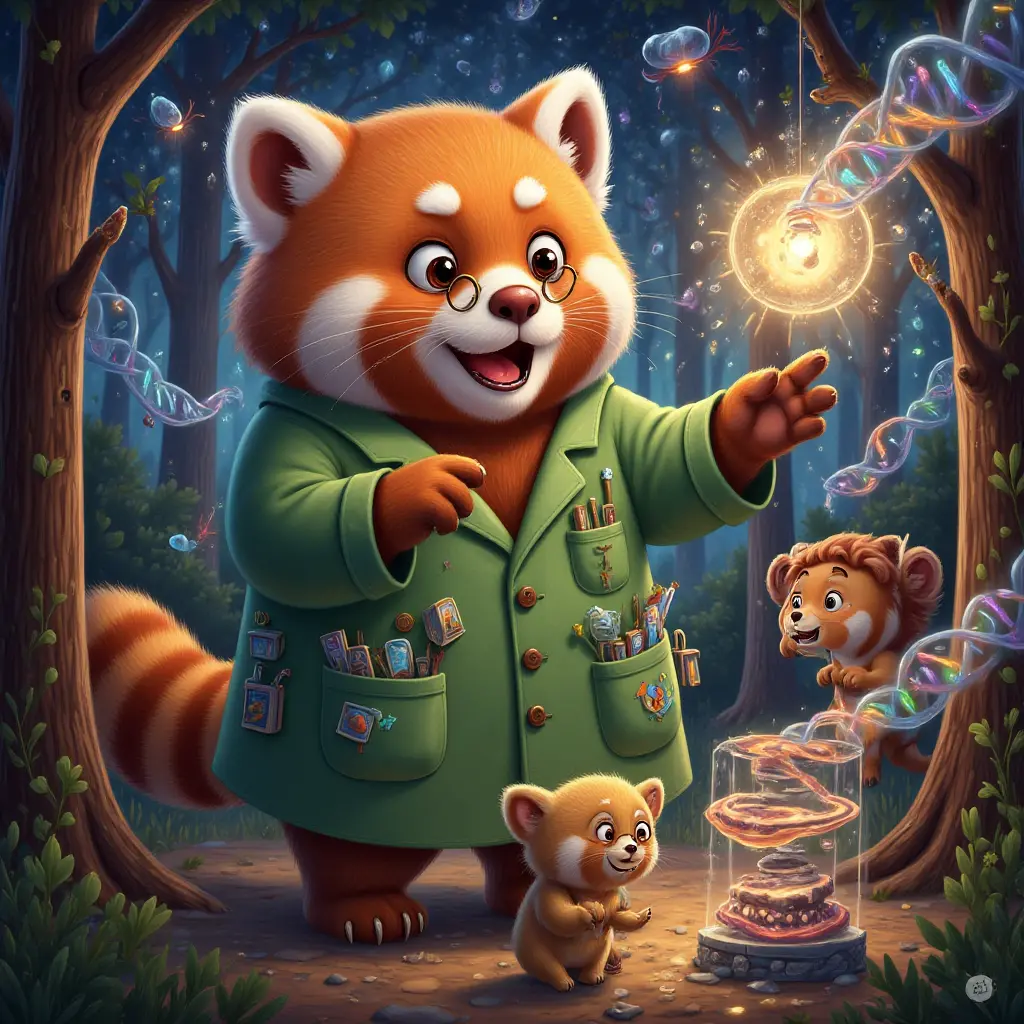
"Cloning is like making a copy of an animal," Professor Pip explained, pointing to pictures in his book. "Scientists can use DNA, which is like a blueprint of life, from animals that lived long ago."
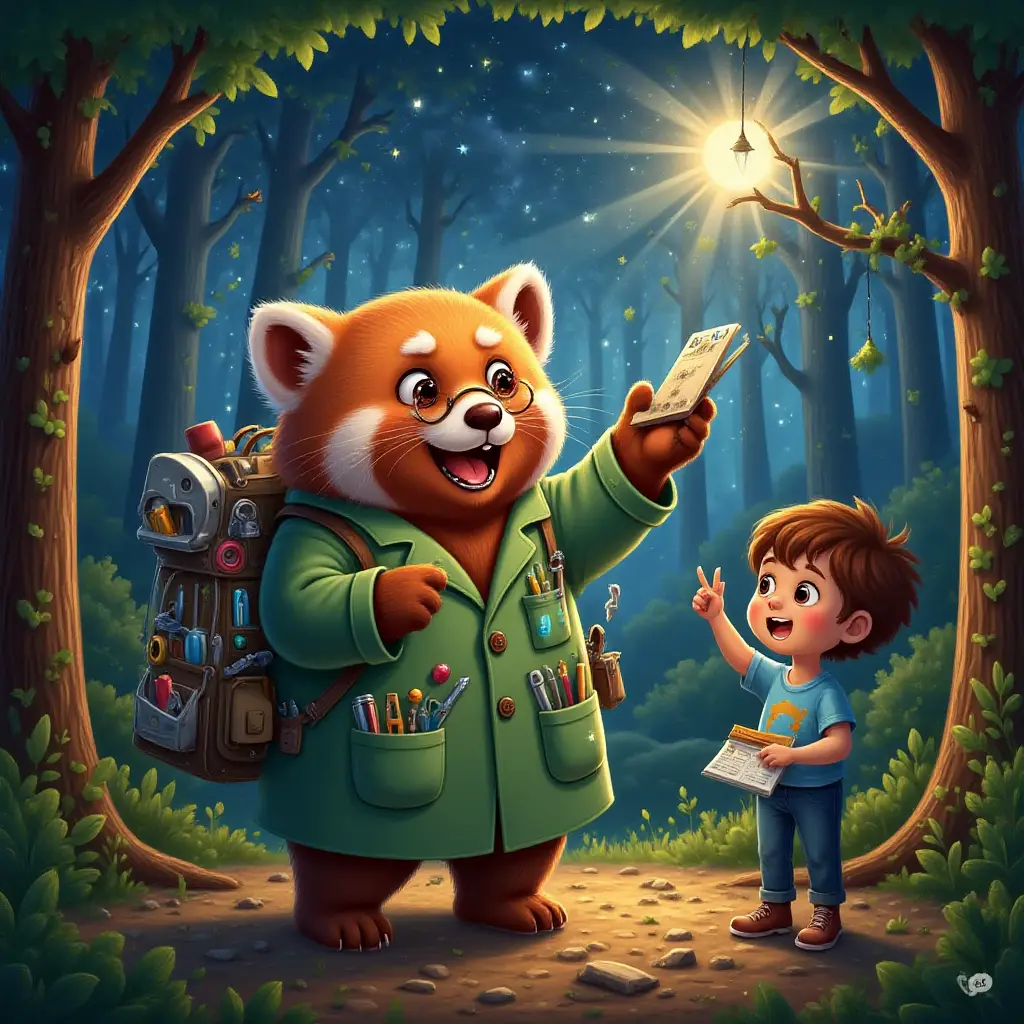
The next morning, with his bag packed full of tools and notebooks, Professor Pip waved goodbye to the forest. He was headed to the Arctic, where scientists were working to bring back the woolly mammoths.

Arriving at the chilly Arctic research station, Professor Pip met Dr. Snow, a brilliant scientist. She showed him a piece of woolly mammoth fur preserved in ice. "This fur holds the DNA we need," Dr. Snow said, handing him a magnifying glass.
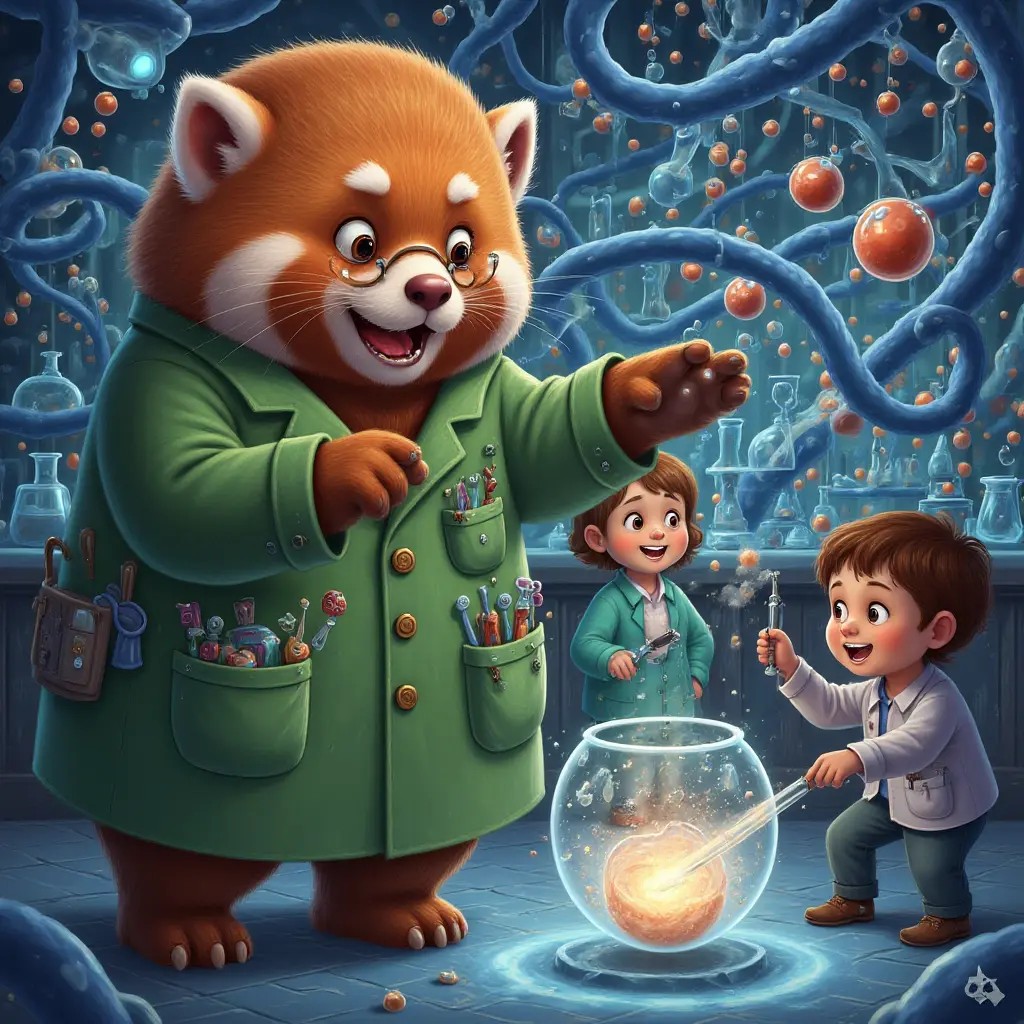
In the lab, Professor Pip watched as scientists carefully extracted DNA from the fur. "We insert this DNA into an elephant's egg," Dr. Snow explained, "because elephants are mammoths' closest living relatives."
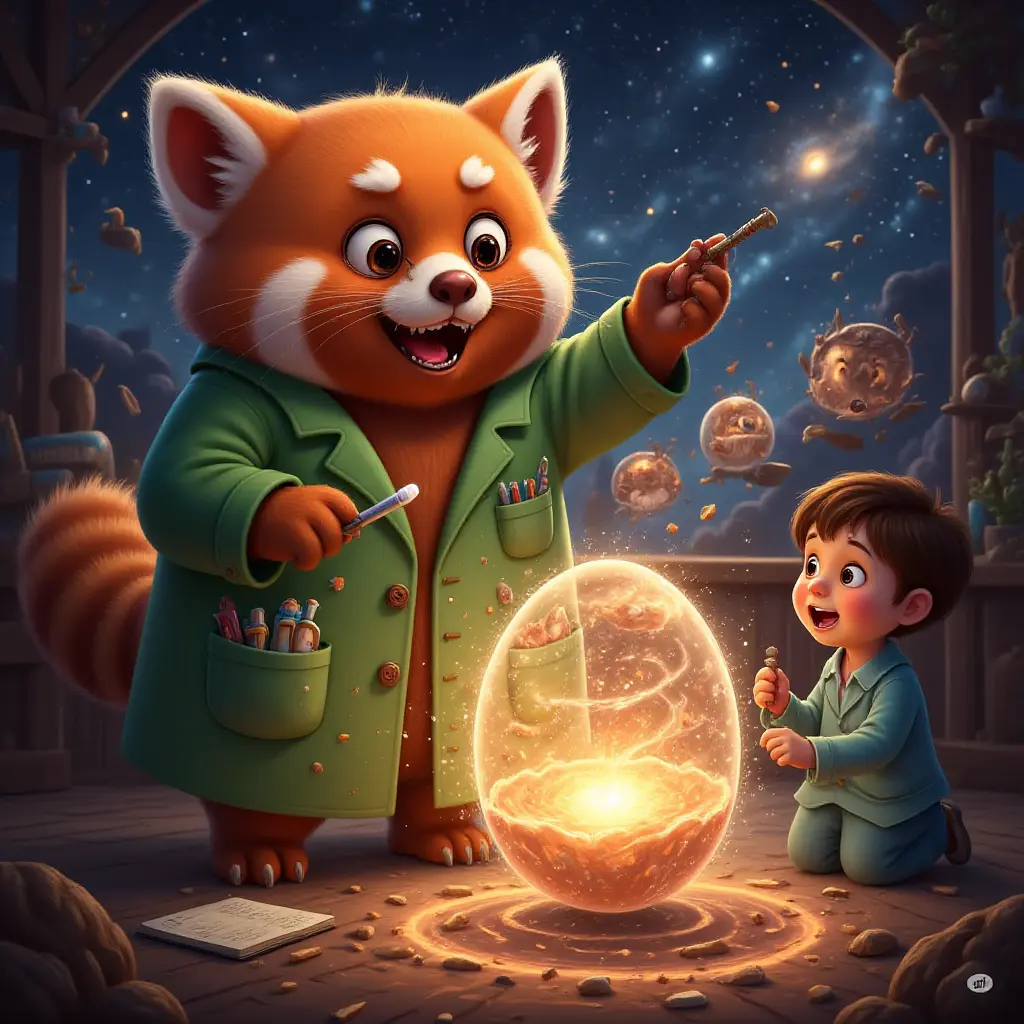
Professor Pip was amazed as he saw the egg begin to develop. "It's like giving the mammoth a second chance at life!" he exclaimed, scribbling notes in his notebook.
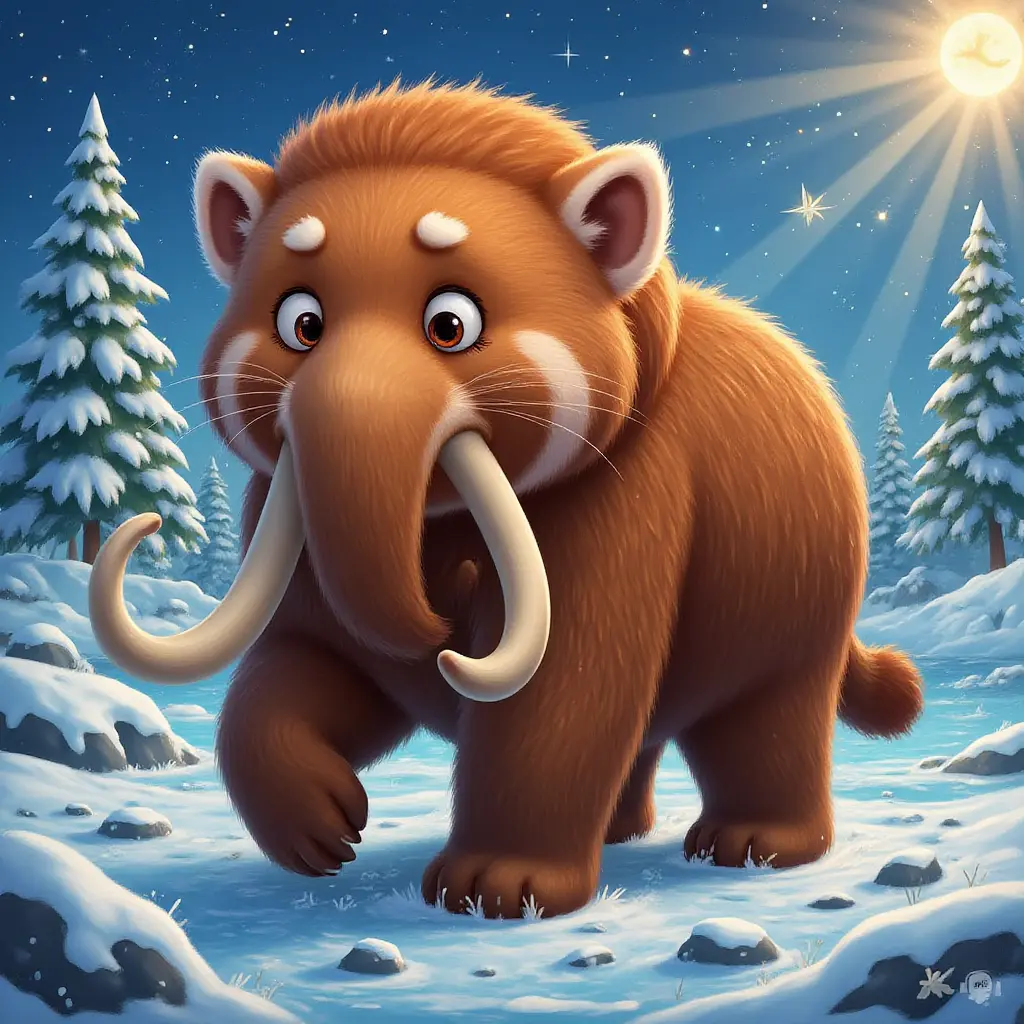
After months of careful watching and waiting, a baby mammoth was born in a special enclosure. It was furry and big, with curious eyes. "We did it!" cheered Professor Pip, clapping his paws together.
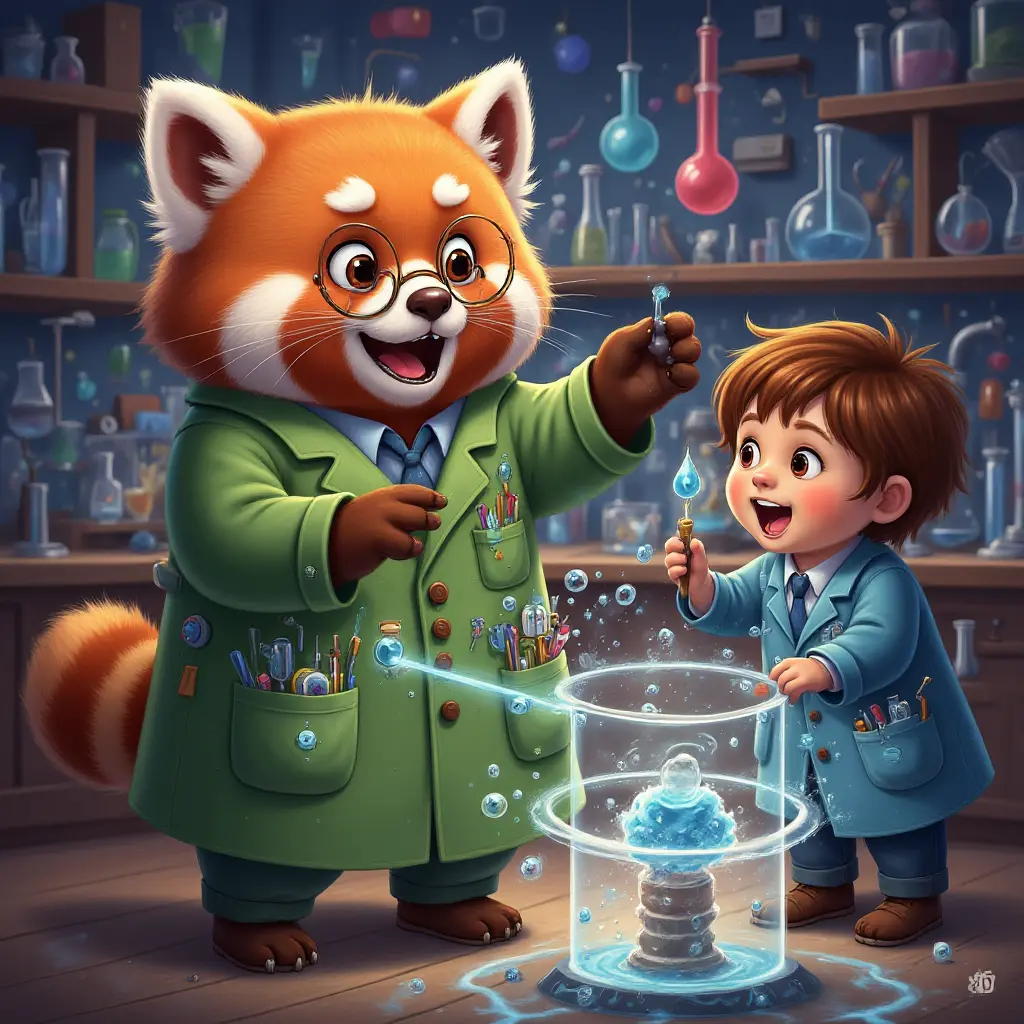
Dr. Snow smiled. "Now, we must prepare her for life in the wild," she said. Professor Pip nodded, understanding how important it was for the mammoth to thrive in her natural habitat.
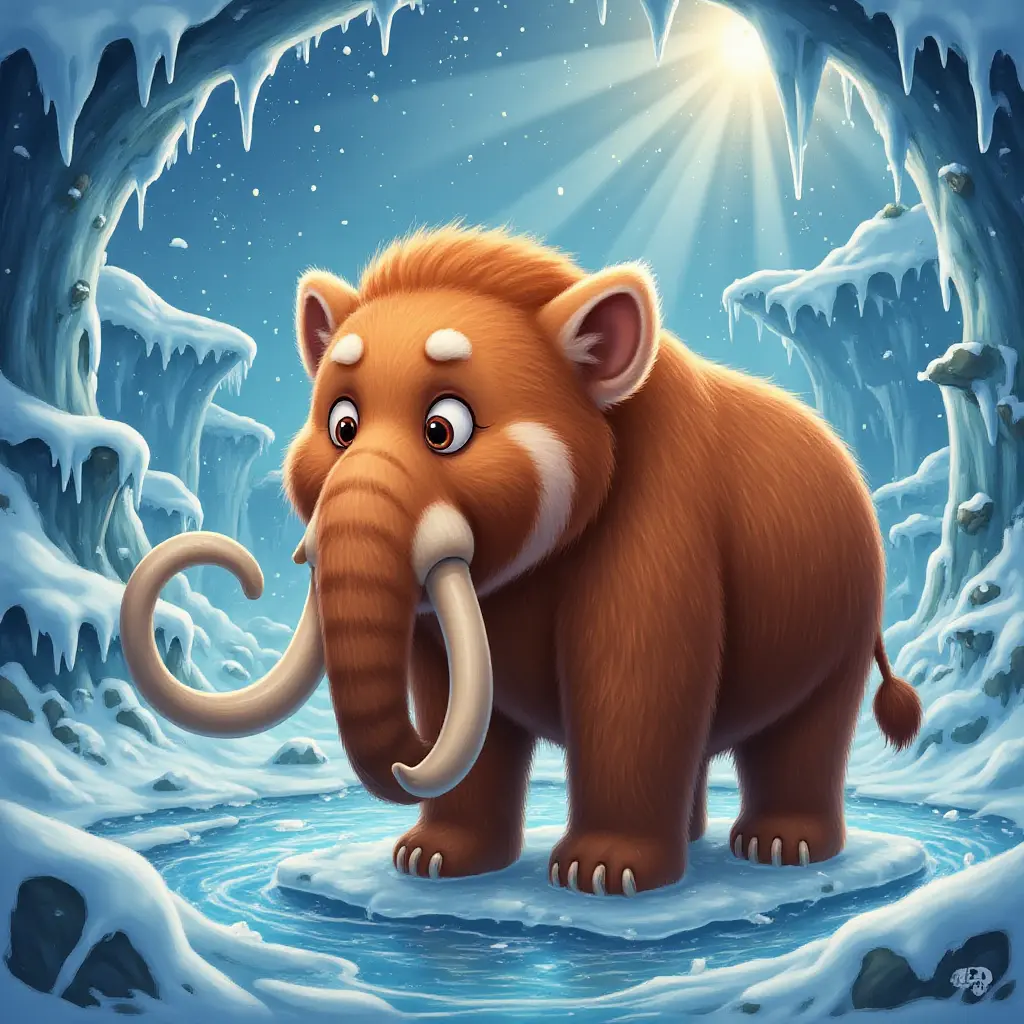
Professor Pip spent days observing the baby mammoth, learning about what she liked to eat and how she interacted with her environment. He took notes on everything, eager to share this knowledge.
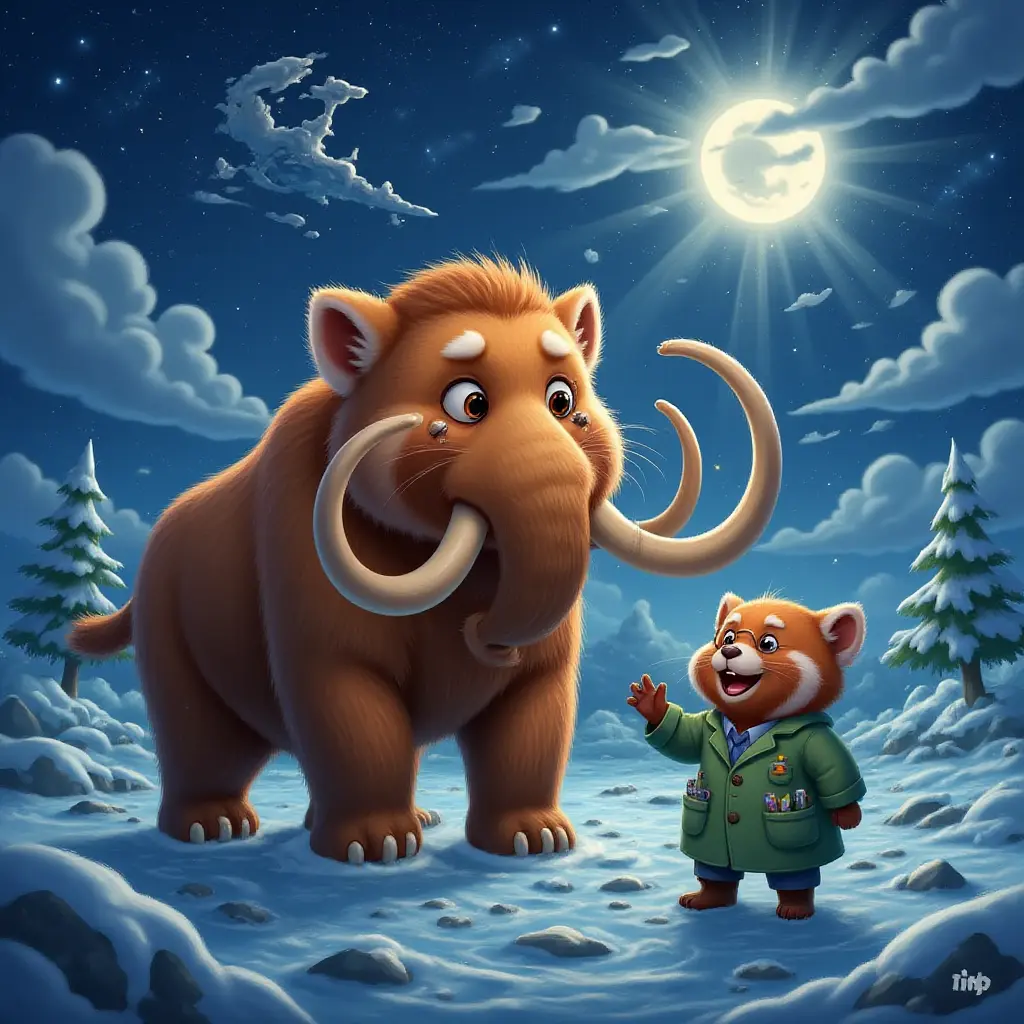
Finally, it was time to release the young mammoth into the Arctic tundra. Professor Pip felt a mix of excitement and nervousness. "Good luck, little mammoth," he whispered, as she took her first steps into the wild.
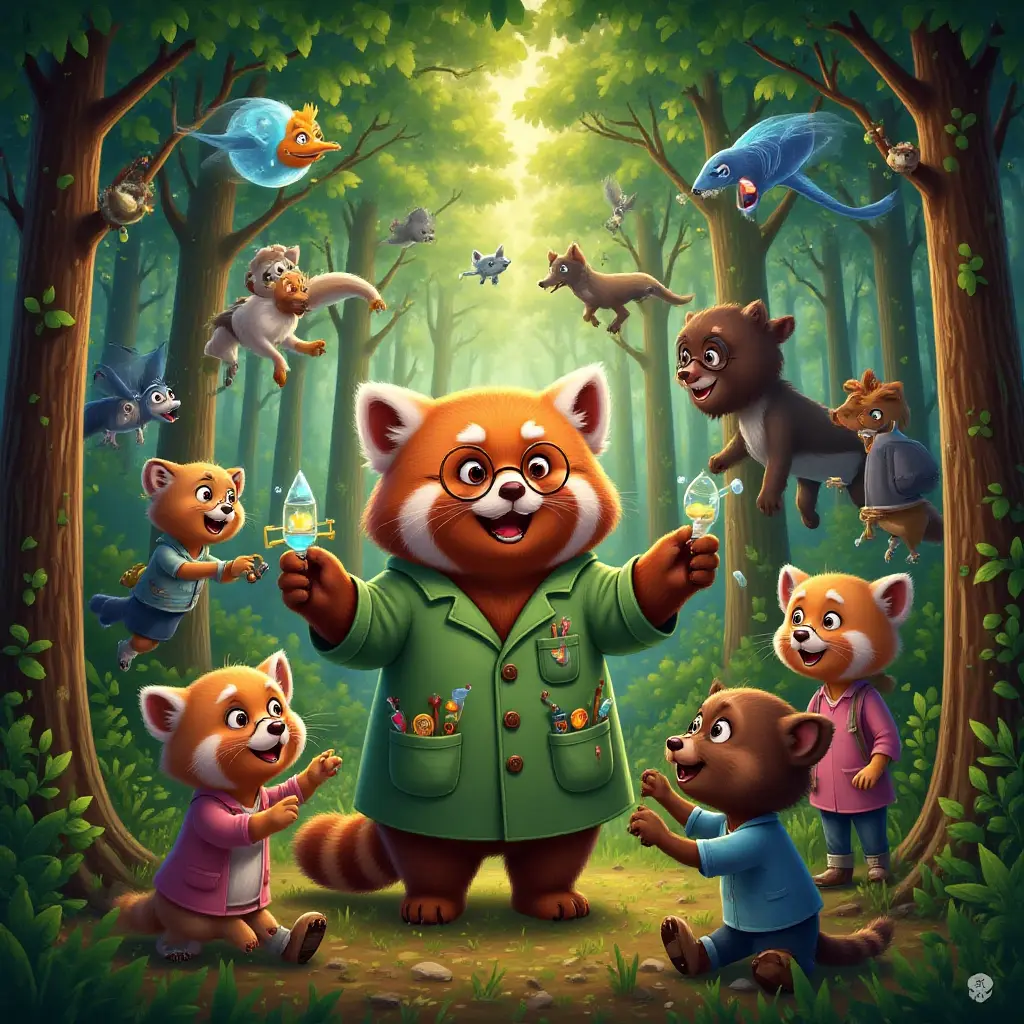
Back in the Great Green Forest, Professor Pip gathered his animal friends once again. He shared his adventure and what he had learned about cloning and mammoths.
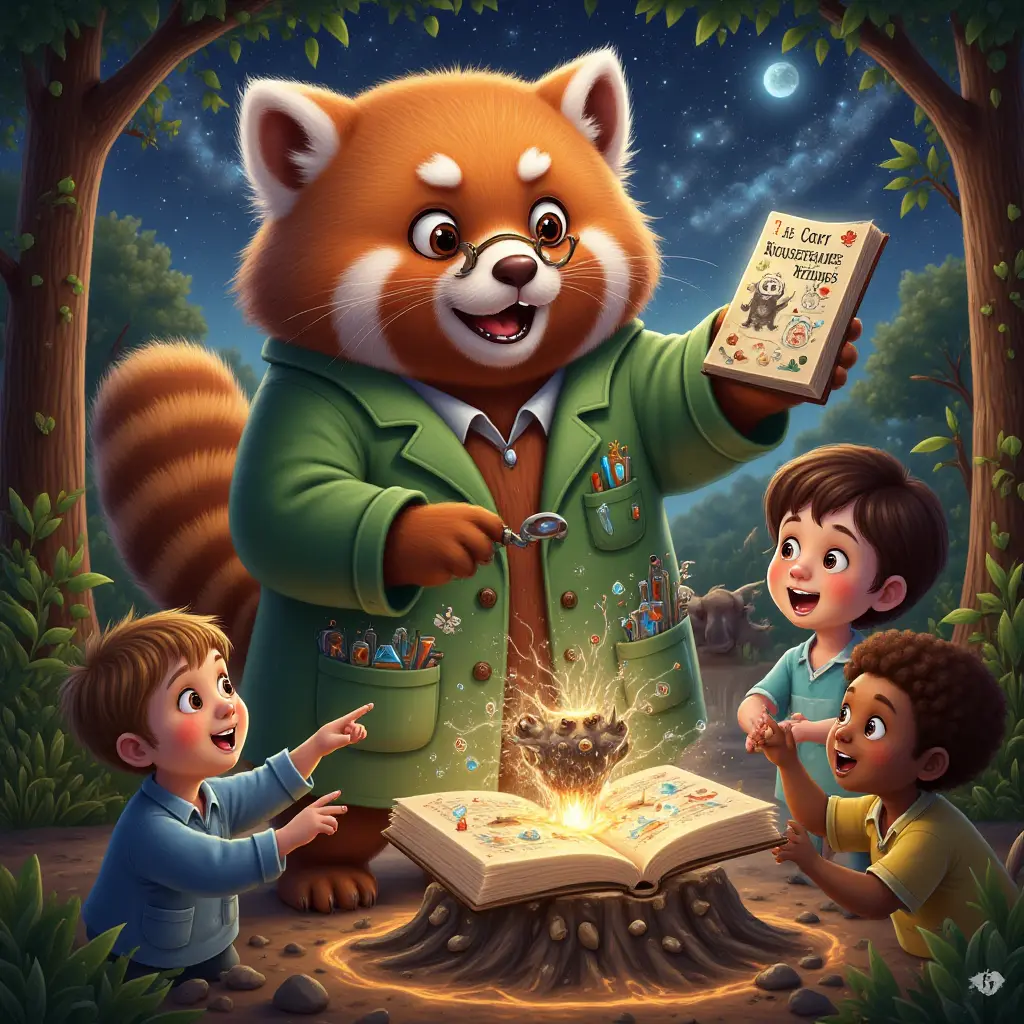
"By helping extinct animals, we learn more about our planet and how to take care of it," Professor Pip concluded, closing his dusty book. His friends listened, wide-eyed, inspired by the wonders of science and nature.
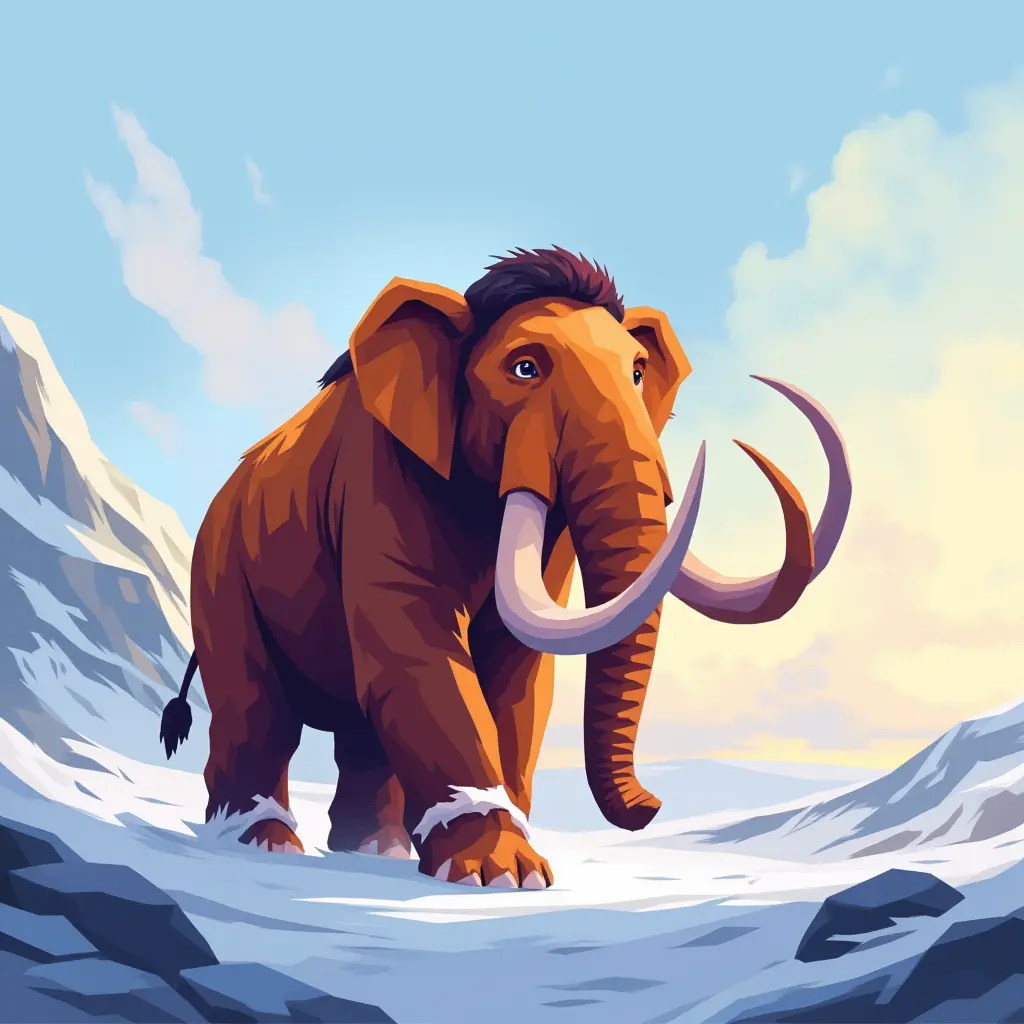
And high in the Arctic tundra, the young mammoth roamed free, a symbol of hope and science's incredible journey.
The End
Professor Pip's Mammoth Miracle: An Arctic Adventure
About the Author
Dan Mayer

Other Pretheory books:
- Professor Pip's Deep Sea Adventure: Discovering the Ocean's Wonders:
- Lucy and Mia's Magic Stone: Adventures Around the World
- Theo The Great: The World At Sleep
- Professor Pip's Bug Adventure: Discovering the Wonders of Insects:
- Professor Pip's Green Thumb Adventure: The Magic of Photosynthesis:
- Sisters Lucy and Mia: Jumping Over Fences and Into Adventure