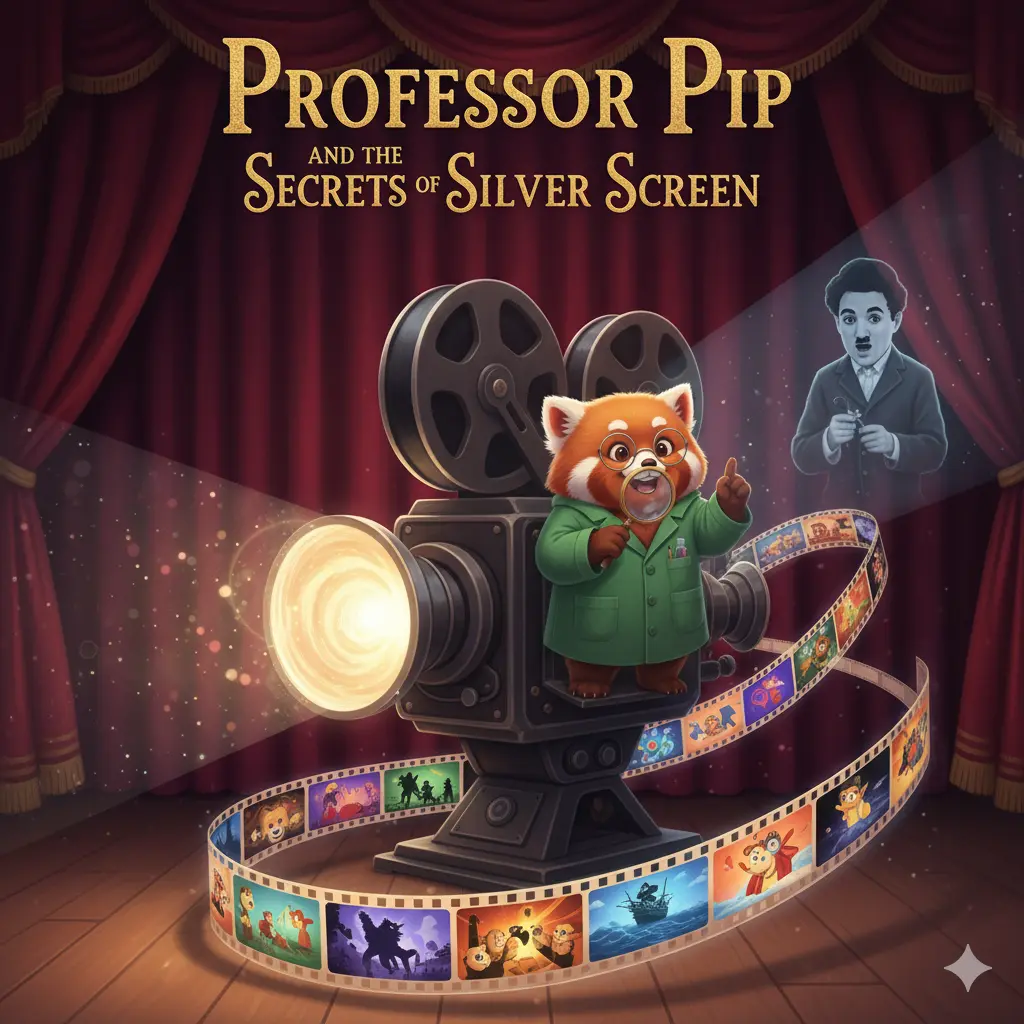
Professor Pip and the Secrets of the Silver Screen

One sunny morning, Professor Pip, with his round glasses and cheerful smile, gathered his curious students under the big oak tree. "Today, we're going to learn about how movies are made, from the very beginning to the amazing techniques we see today!" he announced with a twinkle in his eye.
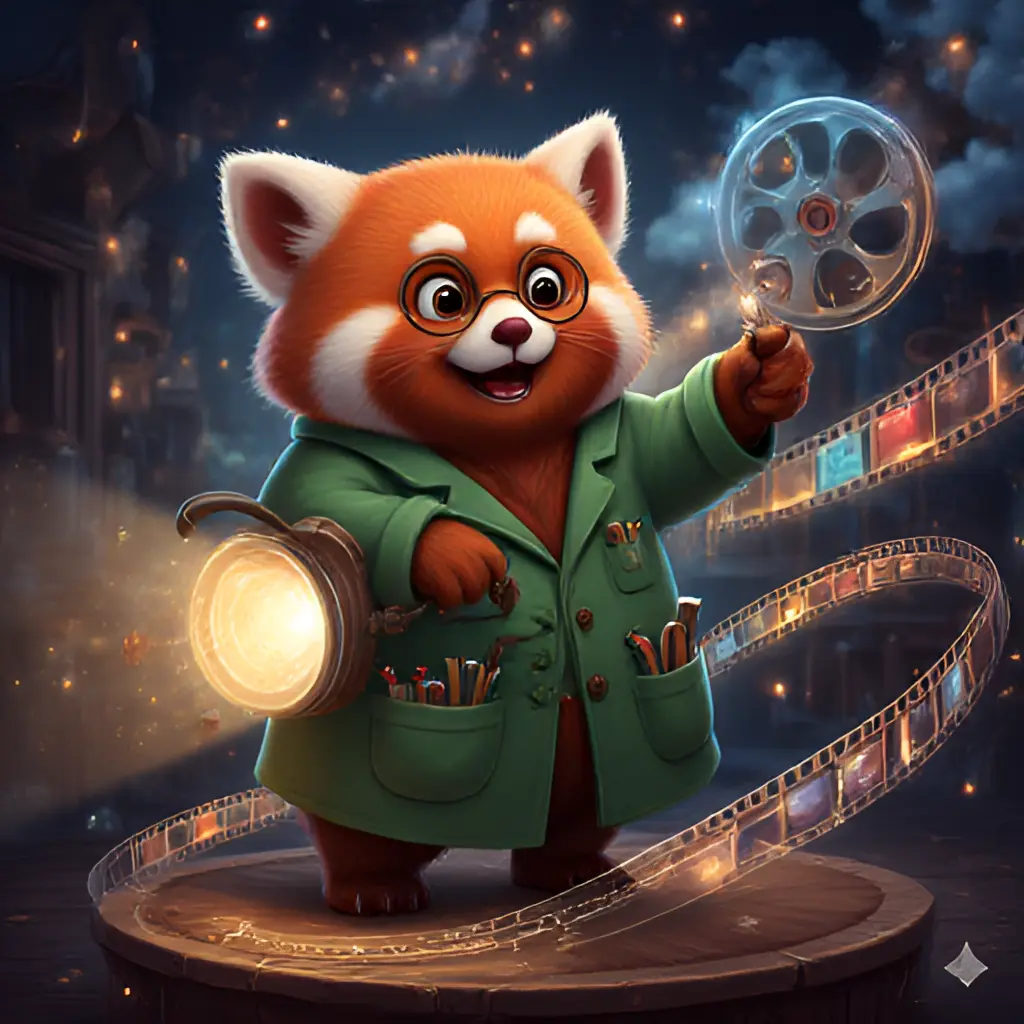
"Long ago, movies didn't have color or sound, and they were called 'silent films'," Professor Pip explained, spinning a small black and white film reel. "People would watch these flickering images in awe, as they told stories without words, using just expressions and actions."
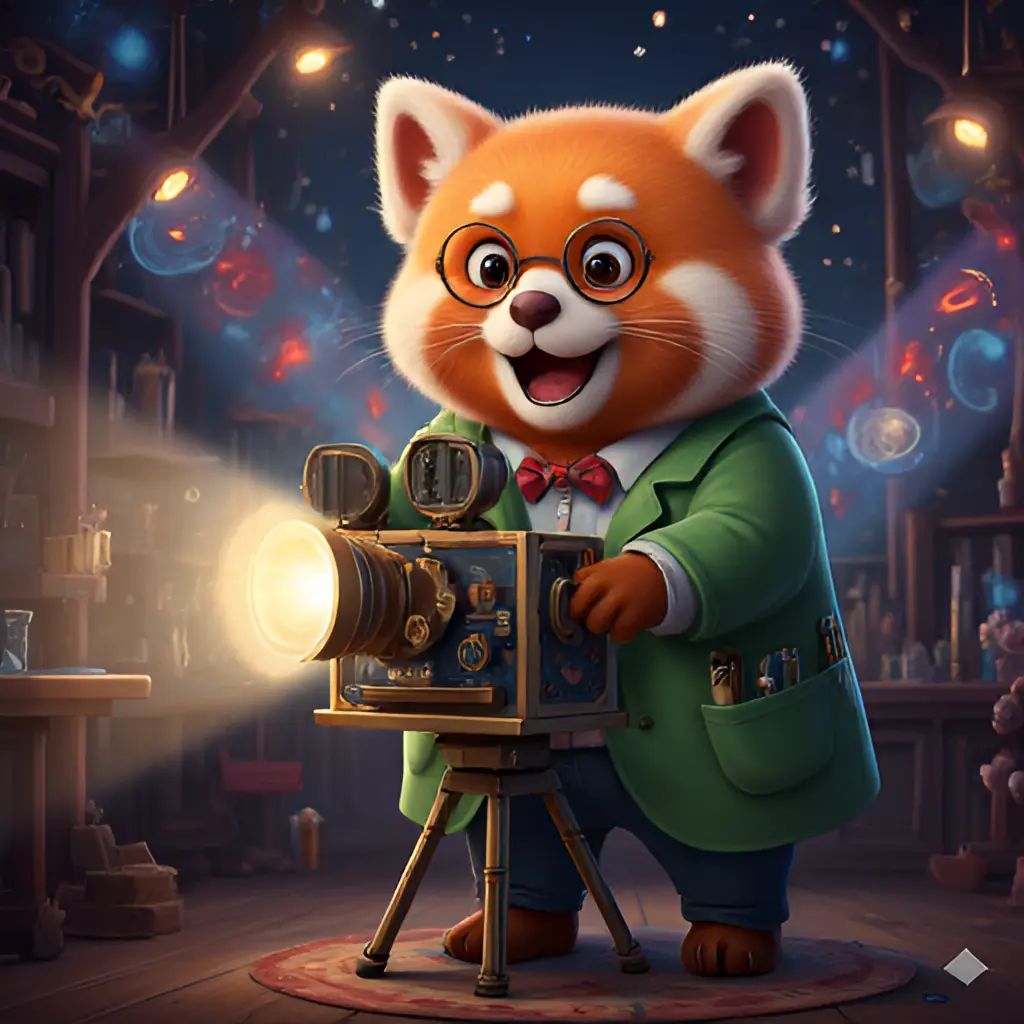
Professor Pip then pulled out a small cardboard box painted like a camera. "In the 1920s, filmmakers discovered how to add voices and music to movies, which was called 'talkies' because characters could finally talk!" he said, making his voice boom and echo like an old-time movie star.
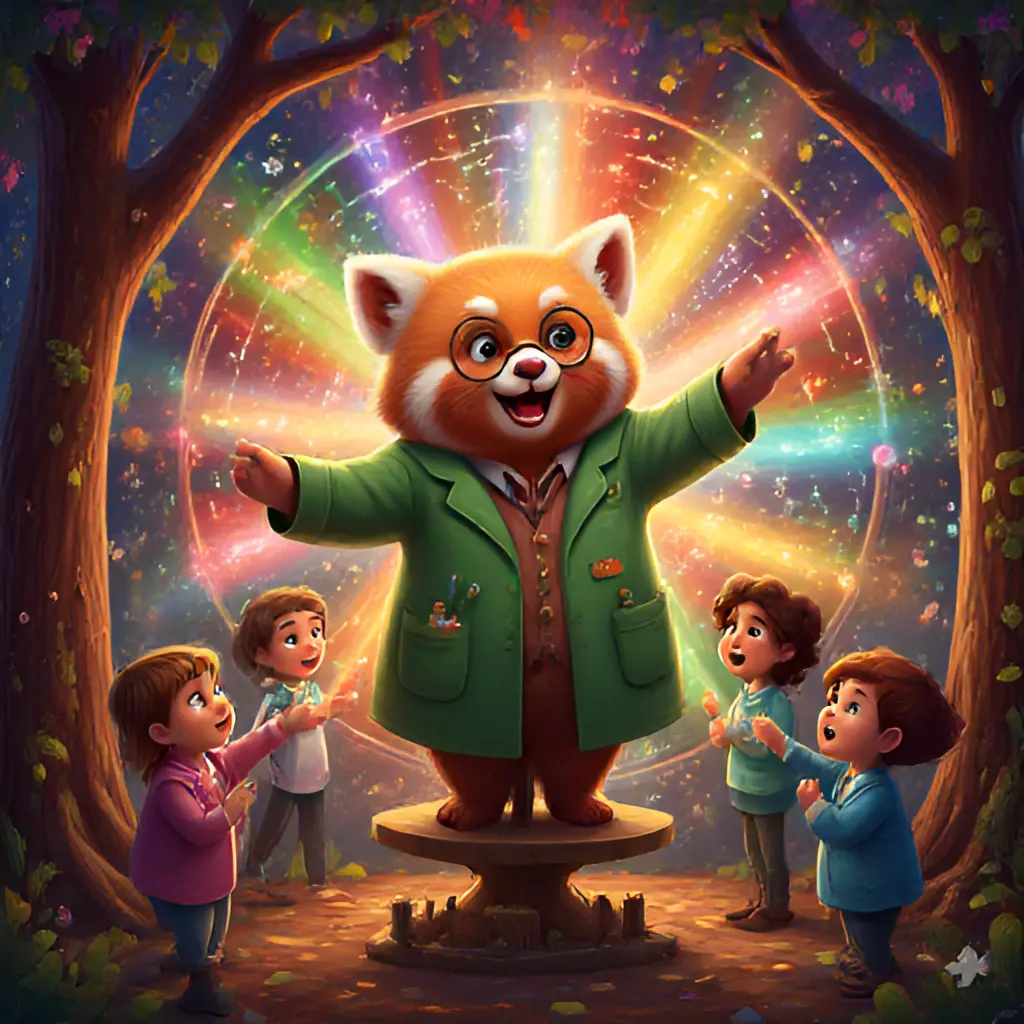
Next, he showed the children a colorful wheel. "Technicolor was introduced, and it brought movies to life with bright, beautiful colors," he explained, spinning the wheel to create a rainbow of colors that danced under the tree.
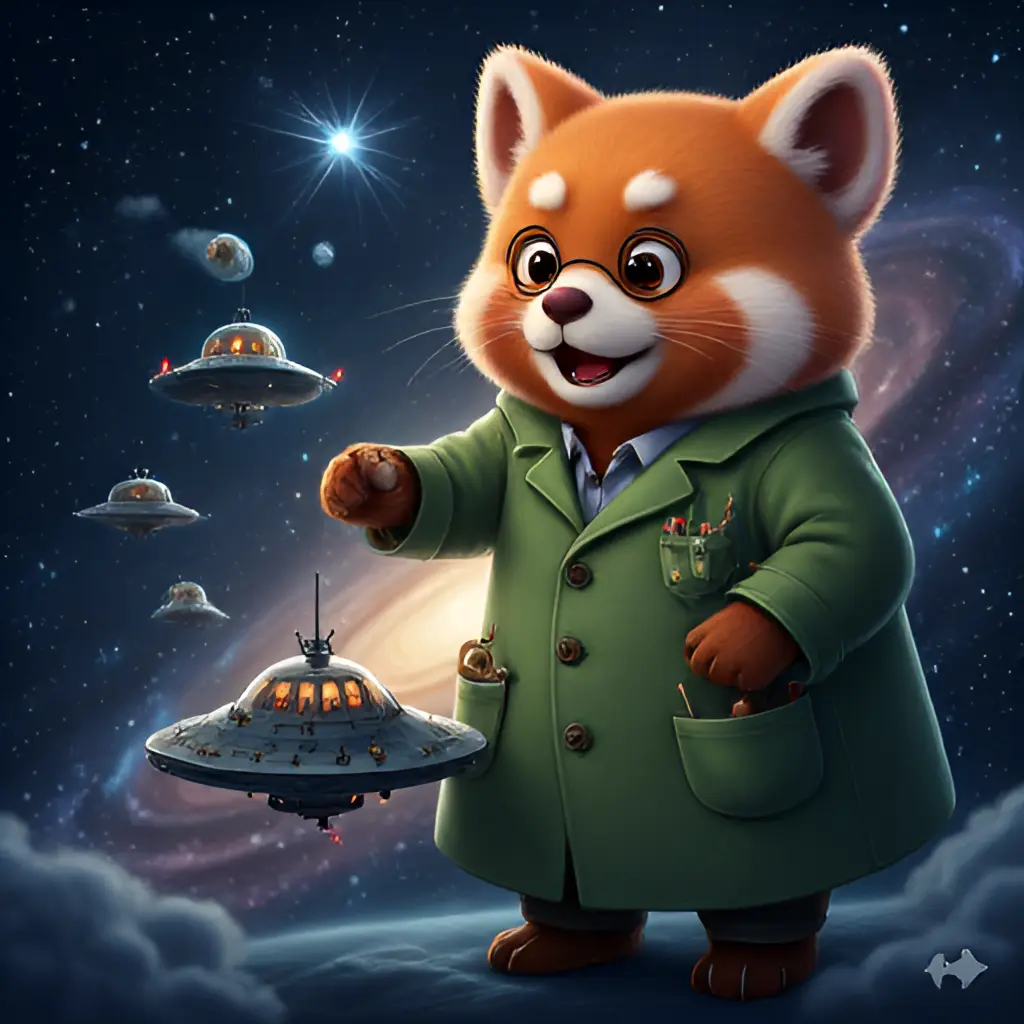
"Now, let’s talk about special effects," Professor Pip continued, pulling a tiny model of a spaceship from his coat pocket. "In the 1950s, filmmakers used models and clever camera tricks to make unbelievable scenes, like flying saucers and distant galaxies!"

He then waved his hand, and a small puff of smoke appeared. "By the 1970s, computers began to help by creating effects and scenes that were impossible to make before," he said, his eyes gleaming with excitement.
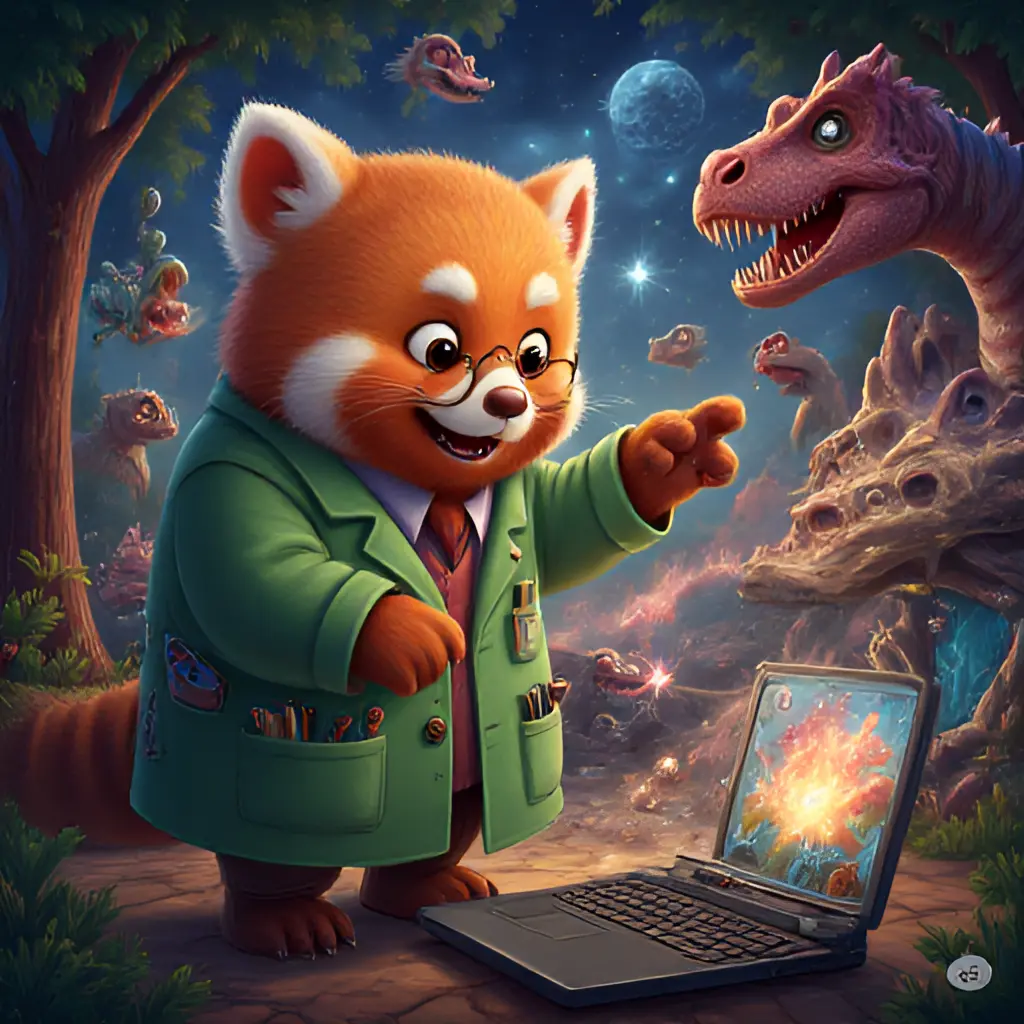
Professor Pip tapped on his little laptop, and images of dinosaurs and fantastical creatures flashed on the screen beside him. "In the 1990s, a new era of digital effects began, allowing movies to have realistic dinosaurs roam and wizards casting spells with dazzling magic," he explained, making a pretend wand motion.
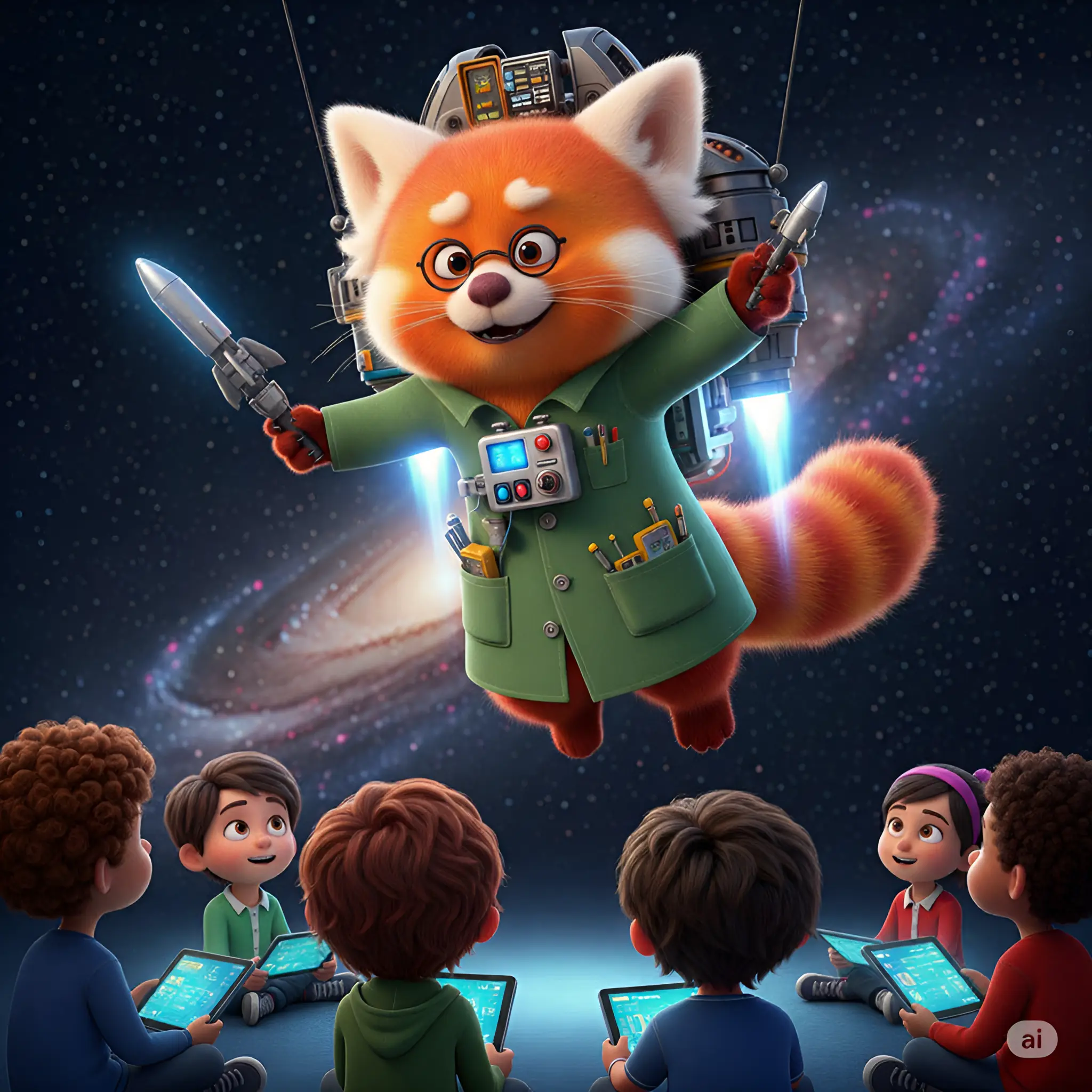
Finally, Professor Pip put on a pair of funny-looking glasses and grinned. "Today, we have 3D movies and even virtual reality that can take us into the movie itself!" he said, pretending to dodge objects flying out from the screen.
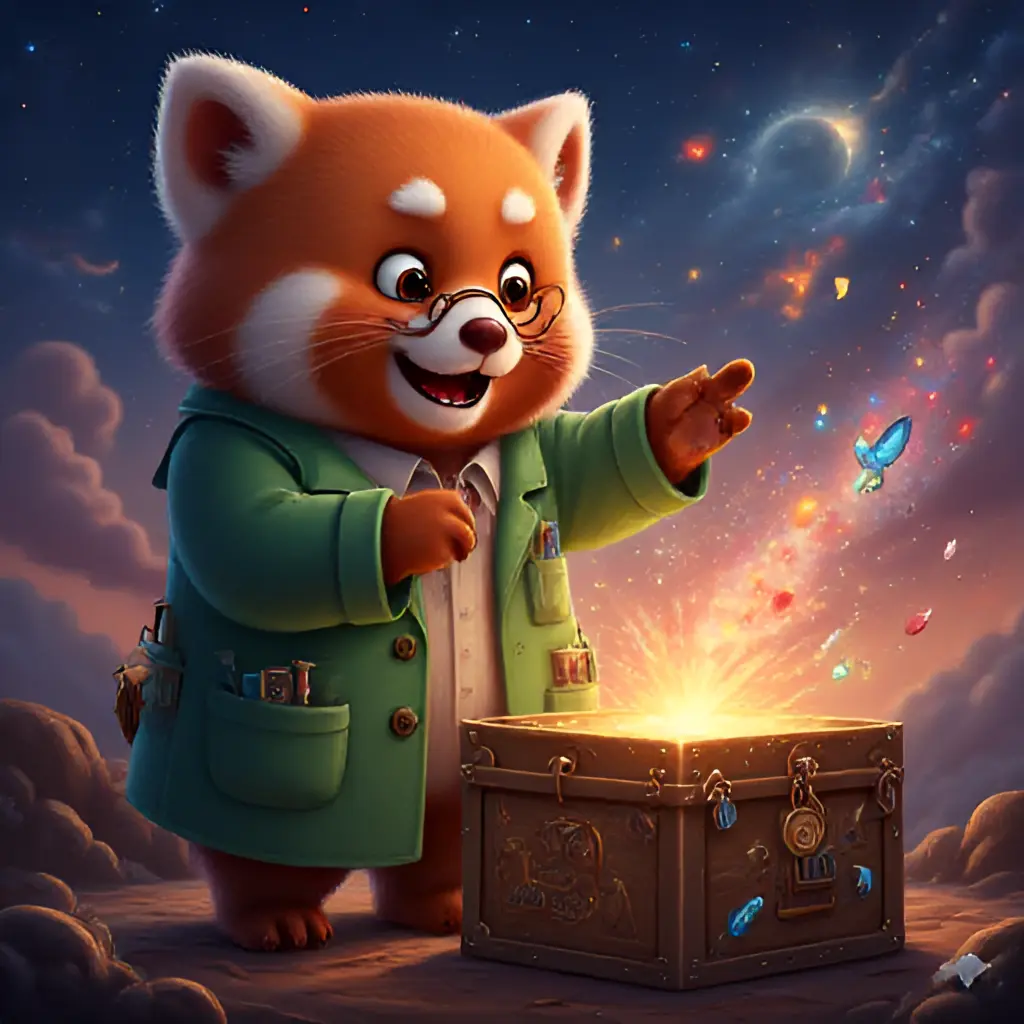
As the sun began to set, Professor Pip closed his magical trunk of movie secrets. "Movies are a wonderful blend of art, technology, and imagination, and they continue to evolve, just like our dreams," he concluded, inviting everyone to dream up their own fantastic movie.

The children clapped and cheered, their minds buzzing with ideas and stories they wanted to share. Professor Pip smiled, knowing he had sparked a love for movies and creativity that would light up their imaginations for years to come.
The End
Professor Pip and the Secrets of the Silver Screen
About the Author
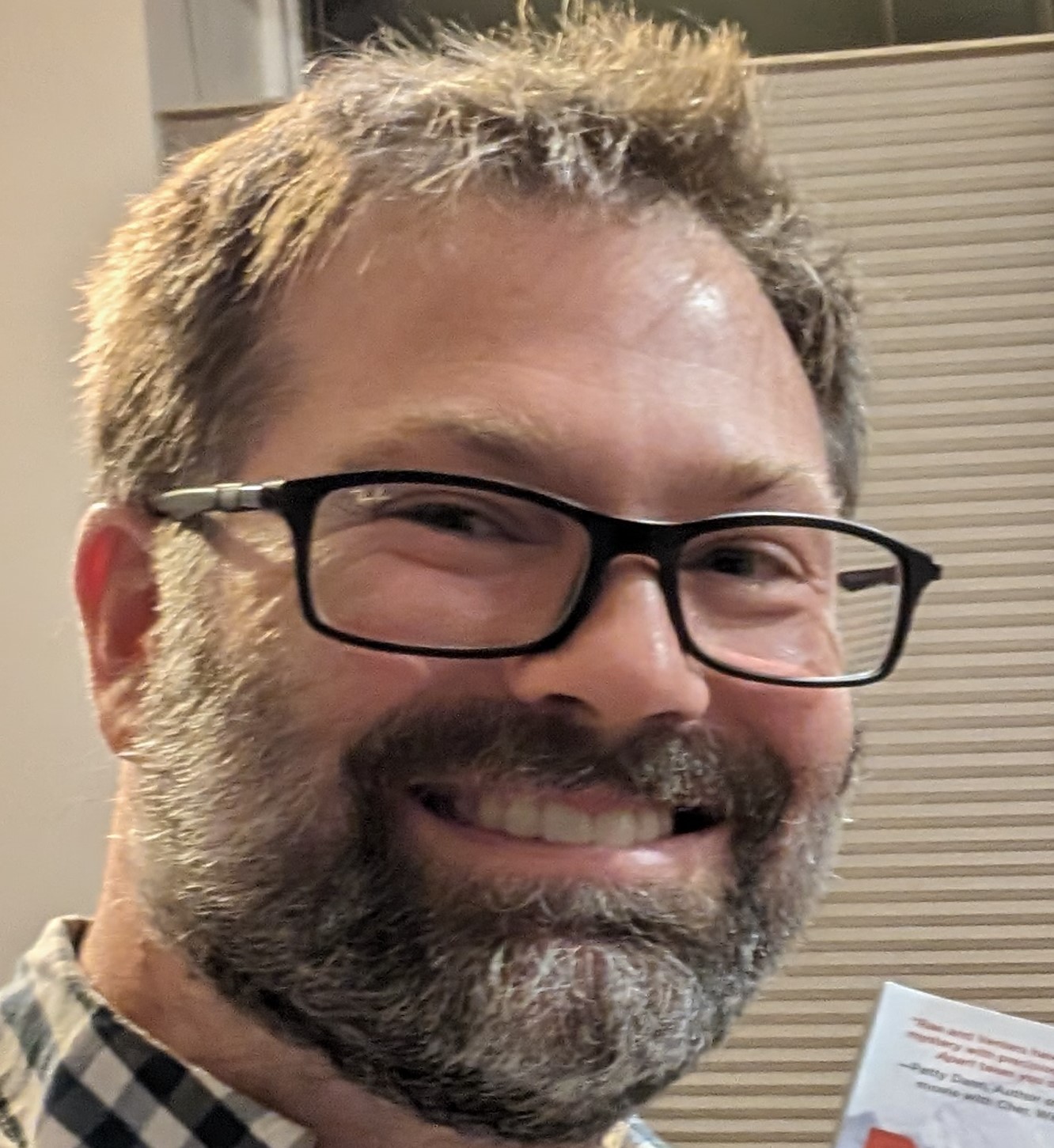
Dan Mayer
Other Pretheory books:
- Wilbur the Whale's Time-Traveling Tales: A Journey Through Connecticut's History:
- Wilbur the Whale's Time-Travel Tales: The Story of Delaware:
- Sasha The Puppy Doctor:
- Sisters Lucy and Mia: Jumping Over Fences and Into Adventure
- Lucy and Mia's Magic Stone: Adventures Around the World
- Theo Becomes An Astronaut: